
Why Is My Water Pressure Low and How Do I Fix It?
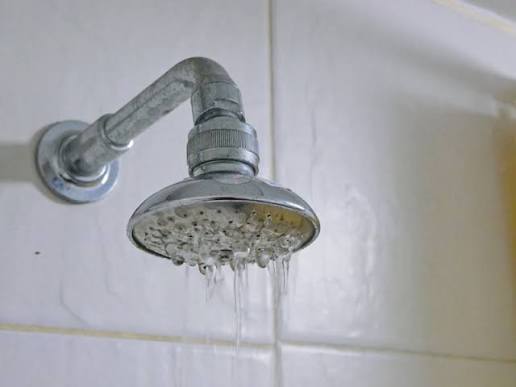 Low water pressure can make everyday tasks frustrating—from weak showers to slow-filling toilets and taps that barely flow. The good news is that the cause is often easy to identify and fix.
What Causes Low Water Pressure?
1. Blocked Filters or Pipes
Sediment, rust and scale can restrict water flow. Check filters, strainers and tap aerators for blockages.
2. Faulty Pressure Control
If your home has a pressure pump, a faulty pressure switch or controller may prevent the pump from operating correctly.
3. Leaking Pipes
A hidden leak can reduce the available pressure throughout your house. Look for damp areas, unexplained water usage or a water meter that continues moving when all taps are closed.
4. Municipal Supply Pressure
If your home relies on municipal water, the incoming supply pressure may simply be too low, particularly during periods of high demand.
5. Incorrectly Sized Pump
A pump that is too small for the required flow and pressure may struggle to supply multiple outlets simultaneously.
6. Tank Position
If your house is supplied from a water tank, the tank's height above the outlets affects the available pressure. A tank located close to ground level may provide very little natural pressure.
What Can You Do?
Start by checking whether the low pressure affects the entire house or only one tap or shower. If it is only one outlet, the problem is more likely to be a blocked aerator, shower head or local pipe restriction.
If the whole house has low pressure, check the main valves, filters, pipes and water supply.
For homes with consistently low incoming pressure, a domestic booster pump can provide the additional pressure needed for showers, taps and appliances.
What Size Booster Pump Do You Need?
Don't simply install the biggest pump available. The pump needs to be selected according to the required flow rate, pressure, pipe size, number of outlets and available incoming water supply.
A properly selected pressure pump can provide consistent water pressure without unnecessarily increasing electricity consumption or placing excessive pressure on your plumbing.
The Bottom Line
Before buying a pump, find out why your pressure is low. A blocked filter or faulty valve won't be fixed by installing a bigger pump.
If the problem is genuinely insufficient water pressure, a correctly sized booster or pressure pump can make a significant difference to your home's water supply.
Need help solving low water pressure? Contact SuperPump Water Pumps for advice on domestic booster pumps, pressure systems and the correct pump for your home.

